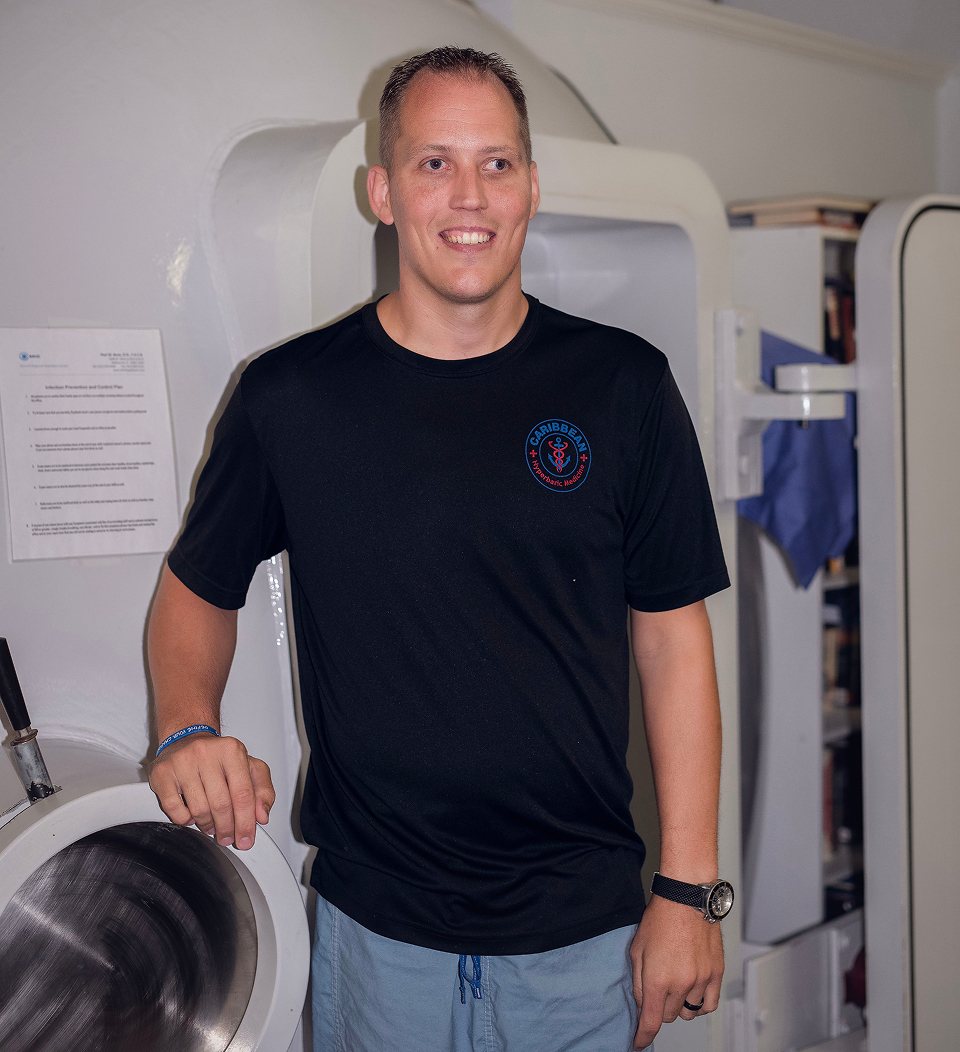
Know your hypoxia signature.
Southern AeroMedical Institute runs the only FAA-approved, scenario-based hypoxia training for civilian pilots — so you recognize the symptoms on the ground, long before altitude asks the question.
BEGIN BRIEFING
Altitude doesn't announce itself. Training teaches you to hear it.
Hypoxia poses a significant risk to pilots — especially at higher altitudes, where available oxygen falls away faster than judgment notices. The onset is quiet, individual, and easy to rationalize.
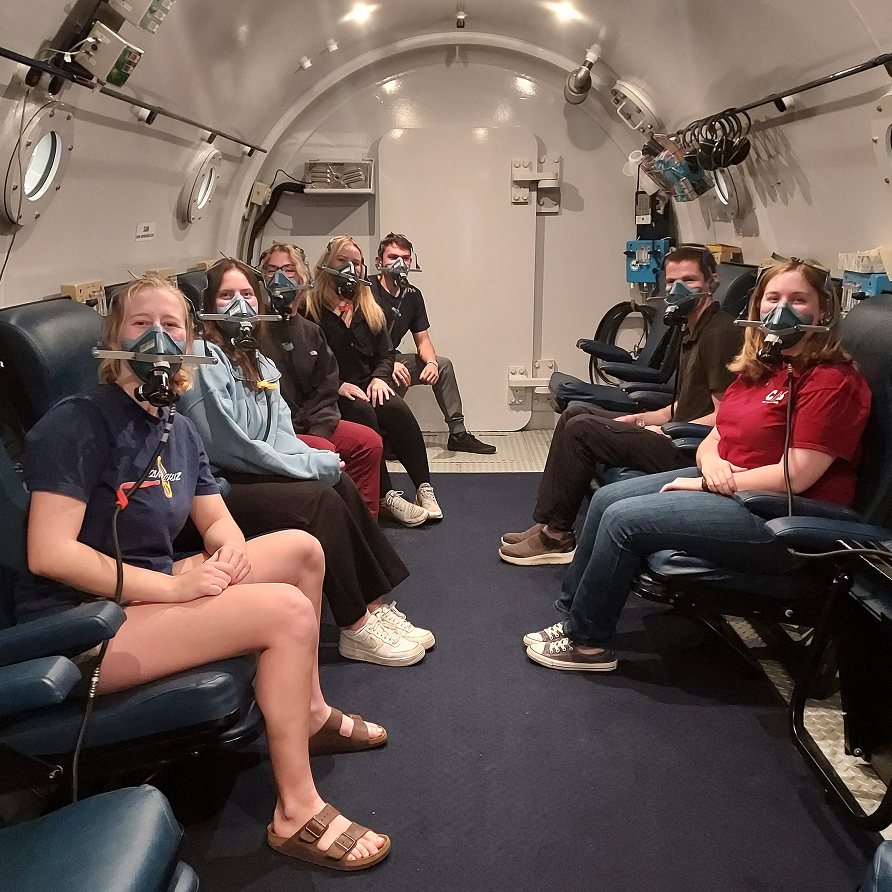
SAMI places you inside a controlled, reduced-oxygen environment and walks you through realistic flight scenarios, so you learn your own early symptoms and rehearse the response until it's reflex.
Scenario-based hypoxia training
Civilian aviators · All ratings
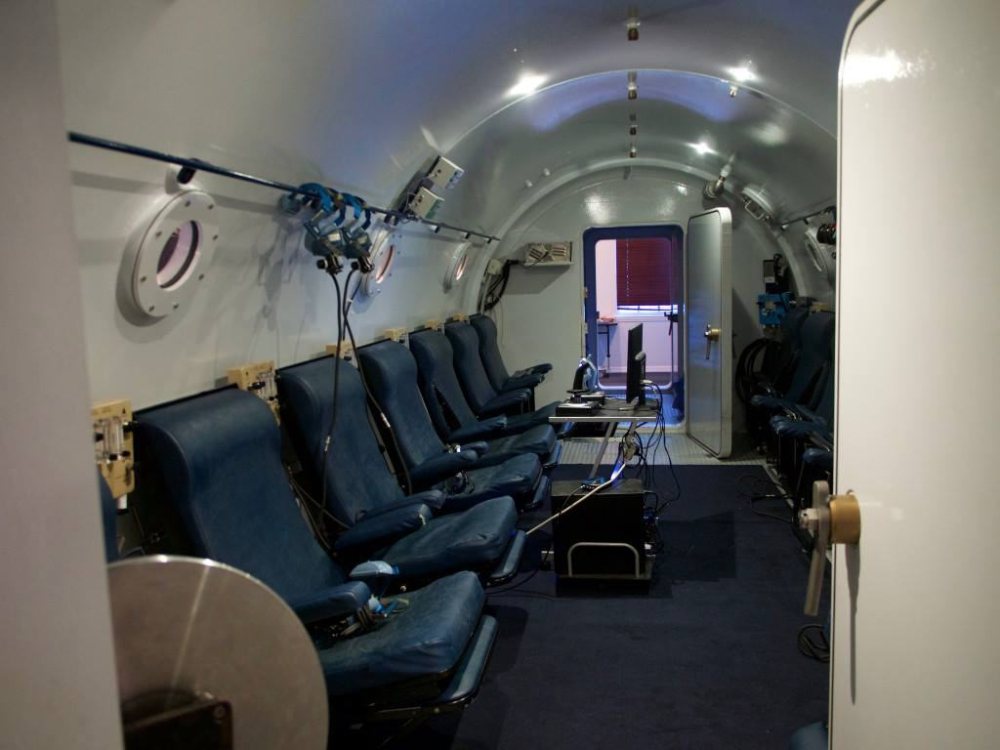
A real altitude chamber. Real physiology.
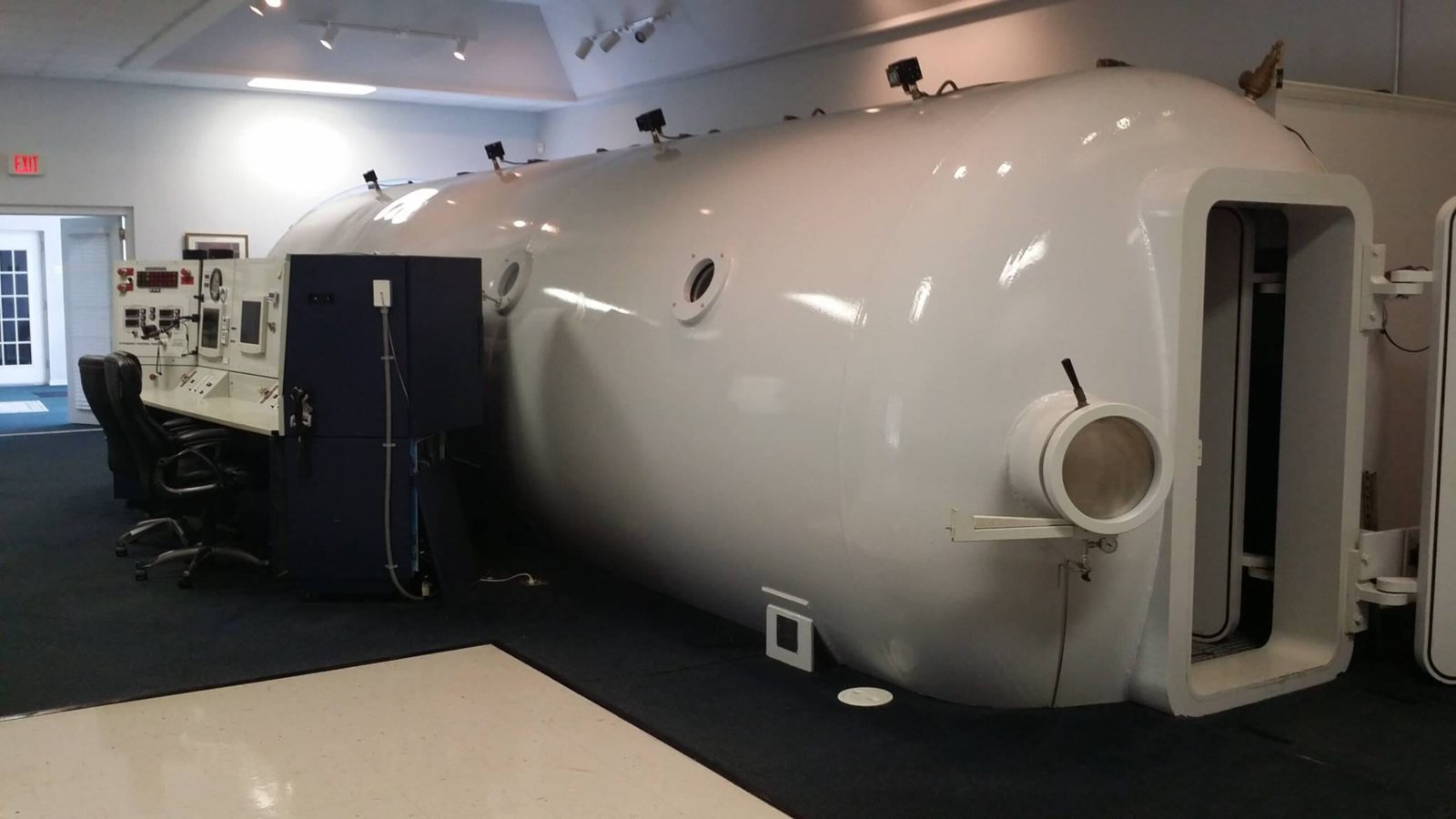
Scroll to climb.
Watch the air thin.
A live model of the standard atmosphere. As cabin altitude rises, barometric pressure and inspired oxygen fall — and your time of useful consciousness shrinks with them.
What you carry back to the cockpit.
Enhanced decision-making under stress
Practice clear, procedural thinking while your body is actively working against you.
Increased safety and risk mitigation
Identify your personal early-warning symptoms and the moment to act on them.
Practical application in real flight scenarios
Scenarios mirror real cockpit workload, so the response transfers directly to the aircraft.
One session. Four phases.
Medical brief
Physician-led screening and a physiology briefing before you enter the chamber.
Controlled ascent
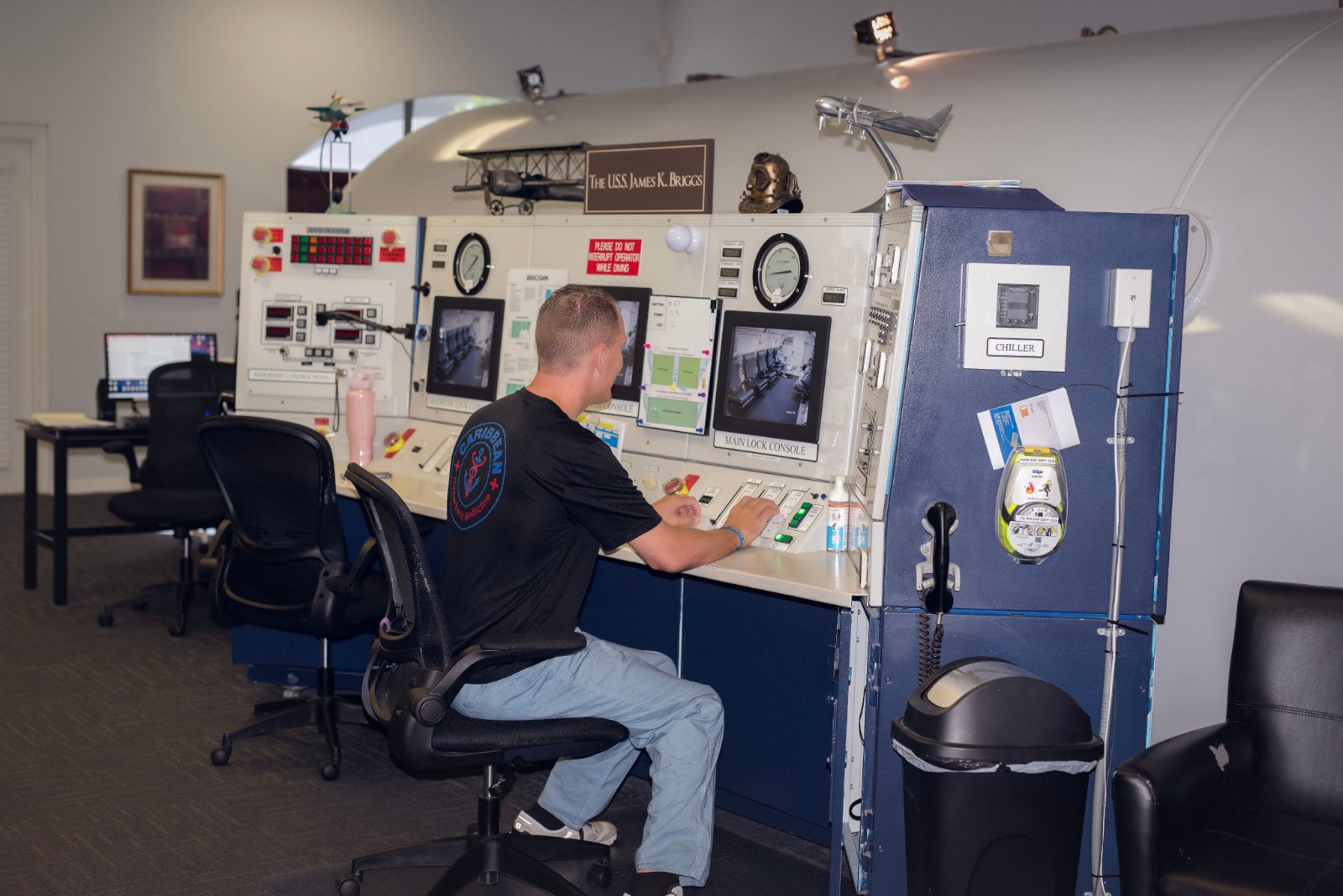
The environment is taken to simulated altitude under continuous monitoring.
Scenario & recognition
You fly tasks while oxygen is reduced — and learn exactly how your symptoms present.
Recovery & debrief
Return to supplemental oxygen, then review what you felt and how you responded.
FAA-approved slow-onset hypobaric chamber exposure & flight physiology training.
This exclusive FAA-approved civilian course offers pilots and aviation professionals a rare opportunity to experience slow-onset hypobaric chamber exposure — simulating altitude-induced hypoxia under controlled conditions.
Led by seasoned flight physiology experts, the course features a 1-hour didactic lecture on hypoxia, physiological challenges, and chamber exposure techniques. Participants also train in a realistic flight simulator, reinforcing knowledge through practical application.
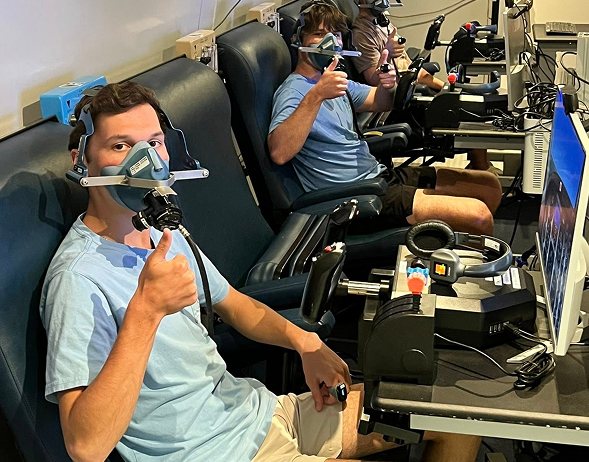
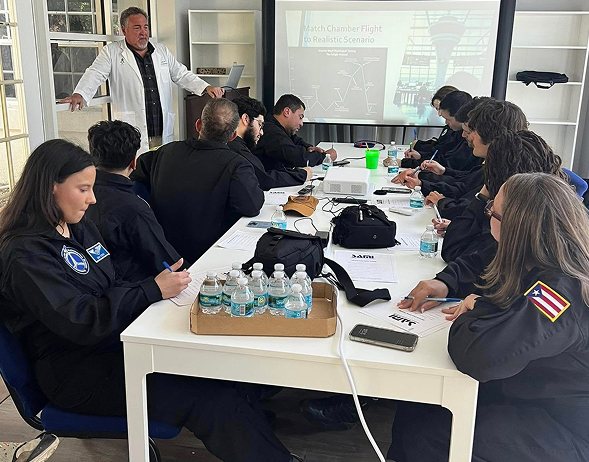
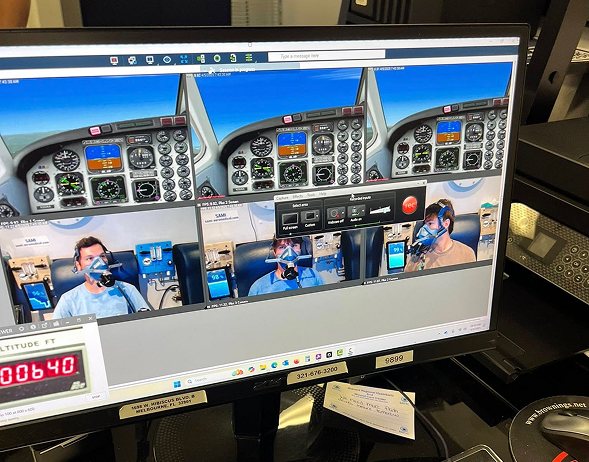
FAA-approved civilian training course — the only one of its kind
1-hour expert-led didactic on flight physiology, hypoxia, and chamber exposure
Controlled hypobaric chamber session with real-time physiological monitoring
Integrated flight simulator for enhanced applied learning
Suitable for pilots, aviation professionals, and student aviators seeking FAA-approved certification
Individual Pilot Package
Our standard rate includes full access to training materials, expert instruction, and certification support.
Package for groups and students
We offer flexible pricing packages for teams and academies. Just reach out — we’ll work with your budget.
on request
Led by the President of the American College of Hyperbaric Medicine.
Get to know the professionals behind every session — dedicated to precision, safety, and an exceptional training experience.
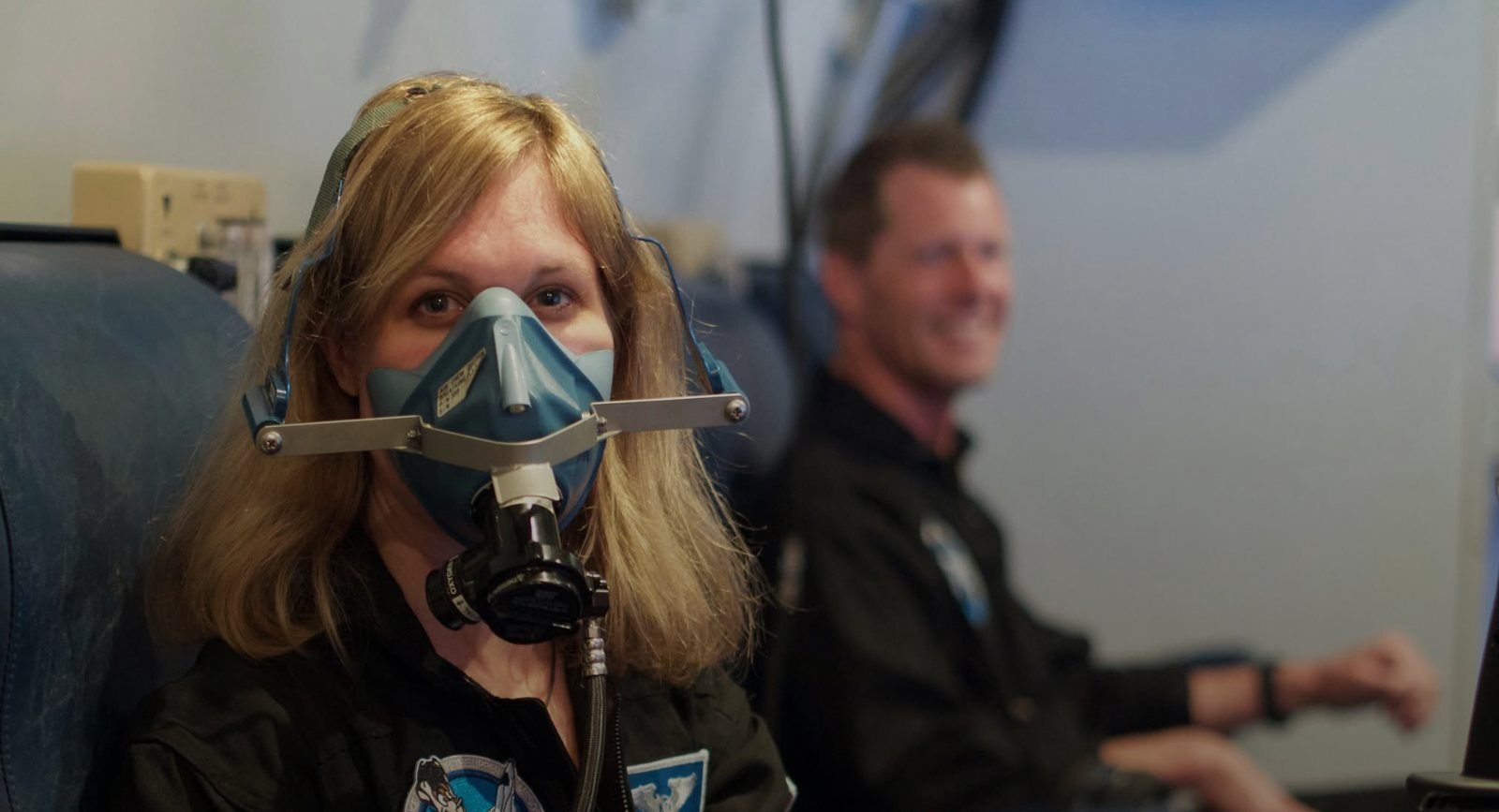
Exploring the physiological benefits of low-oxygen conditioning for peak performance
How controlled, intermittent exposure to reduced oxygen is being studied as a tool for resilience and performance — beyond the cockpit.
Read the entryMeet your hypoxia on the ground.
Reserve a scenario-based session with Southern AeroMedical Institute.
Request your chamber session.
Request transmitted.
Thanks — the SAMI team will reach out shortly to confirm your session.